
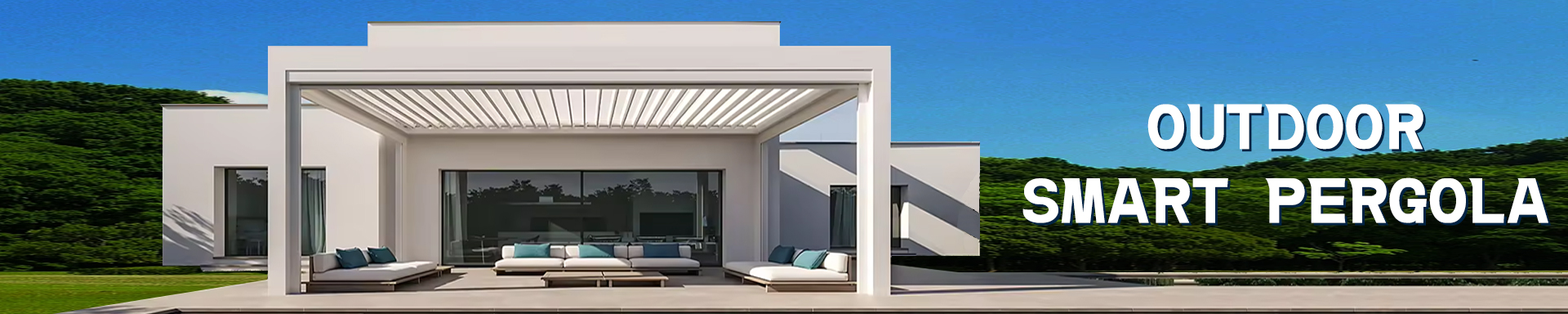
1. Key Differences Between Aluminum and Wooden Pergolas
When deciding between a high-quality Aluminum 4x6 pergola and a traditional wooden pergola, understanding their fundamental differences is crucial. The choice affects durability, maintenance, aesthetics, and overall backyard experience. Here’s a breakdown of the main factors:
1.1 Material Composition and Strength
Aluminum pergolas are made from lightweight yet strong aluminum alloy, often with a powder-coated or PVD finish that prevents corrosion. They won’t warp, crack, or rot under normal outdoor conditions. Wooden pergolas, on the other hand, rely on hardwoods like cedar, redwood, or pressure-treated pine. While beautiful, wood is prone to decay, termite damage, and water absorption, which can weaken structural integrity over time.
Scenario: Imagine a patio facing direct sun and frequent rain. An Aluminum 4x6 pergola remains straight and stable for decades, while a cedar pergola may need annual sealing or repair to prevent warping.
1.2 Weight and Structural Stability
Aluminum is much lighter than wood, which simplifies installation and allows for larger spans without extra support beams. Wood is heavier and may require additional posts and reinforced footings to maintain stability over time. This weight difference also affects how the pergola handles strong winds or snow loads.
| Feature | Aluminum 4x6 Pergola | Wooden Pergola |
|---|---|---|
| Material Weight | 15–20 lbs per sq ft | 25–35 lbs per sq ft |
| Structural Span | Up to 12 ft without extra posts | Often limited to 8–10 ft without support |
| Load Resistance | Excellent against wind, rust-proof | Good if maintained; can sag or warp |
| Maintenance Needs | Minimal | High – sealing, repairs, occasional reinforcement |
This table gives a clear picture: aluminum provides predictable strength with less hassle, whereas wood requires ongoing attention to maintain its structure.
1.3 Environmental Resistance (Weather, Humidity, UV Exposure)
Aluminum naturally resists moisture, insects, and UV rays, especially when coated with a protective finish. Wooden pergolas, even premium cedar or redwood, absorb water and expand/contract, leading to cracks or rot if neglected. In humid or coastal areas, wood may need extra maintenance every 12–18 months, while aluminum typically only needs light cleaning.
Example: A homeowner in a coastal backyard installed a 4x4 Aluminum pergola over a small patio. Over 10 years, it required just basic power washing, while a nearby wooden pergola showed visible rot and required partial beam replacement after 5 years.
If your priority is long-lasting durability, low maintenance, and reliable performance, an aluminum pergola clearly outperforms wood. Wood may offer a warmer aesthetic, but it comes with higher upkeep and risk of environmental damage.
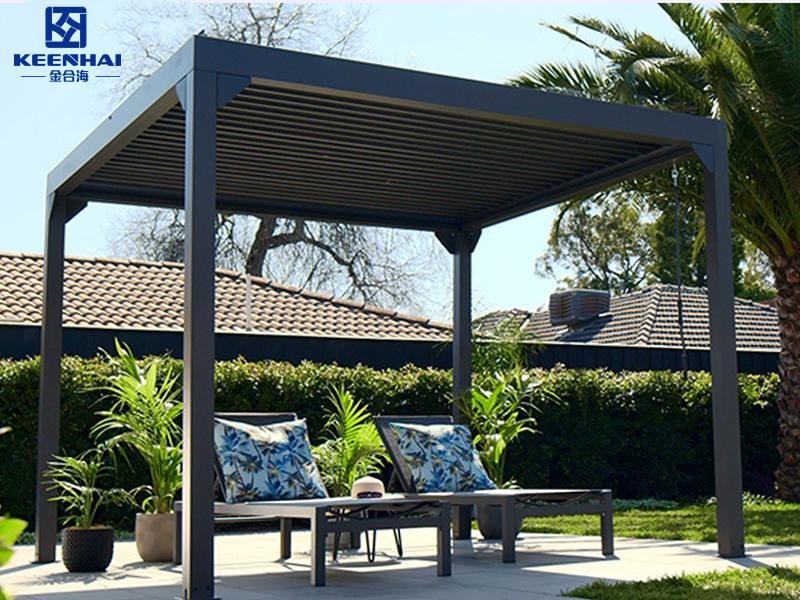
2. Cost Comparison: Initial Investment and Long-Term Expenses
Understanding the total cost of a pergola involves more than just the sticker price. Between aluminum and wooden options, the differences in upfront purchase, installation, and long-term maintenance can be significant. Let’s break it down.
2.1 Upfront Purchase Costs
A high-quality Aluminum 4x6 pergola generally costs between $1,200–$3,500, depending on finish, roof type, and additional features like louvered panels or integrated lighting. Entry-level wooden pergolas made from cedar or pressure-treated pine can start lower at $900–$1,500, but higher-end hardwood models with intricate designs can easily exceed $3,000–$4,000.
Scenario: For a backyard patio, homeowners looking for durability and low maintenance often find that spending a bit more on aluminum upfront saves money down the line. Wood may look more classic, but untreated or low-quality wood will need sealants, stains, or replacements sooner.
2.2 Installation Costs
Aluminum is lightweight and modular, which reduces labor time. Professional installation for a 4x6 aluminum pergola typically ranges from $400–$900, depending on terrain and foundation. Wooden pergolas are heavier and may require reinforced footings, precise leveling, and multiple support posts, which drives installation costs higher, usually $600–$1,200.
Practical Tip: If you plan a DIY install, aluminum’s lighter panels and modular design make it easier for one or two people to handle, while wood often requires additional hands and tools to lift and align beams safely.
2.3 Maintenance and Repair Expenses
Over time, maintenance is where costs diverge sharply:
| Expense Type | Aluminum 4x6 Pergola | Wooden Pergola |
|---|---|---|
| Annual Cleaning | $0–$50 (power wash) | $50–$150 (cleaning + stain) |
| Protective Coating | None needed | $100–$300 every 1–2 years |
| Repairs | Minimal (tightening screws, occasional touch-up) | Replacing warped beams, fixing rot: $200–$500 per incident |
| Lifespan Cost Efficiency | High, predictable | Moderate, variable depending on climate & care |
Aluminum pergolas are essentially set-and-forget: clean occasionally, tighten a few screws, and you’re done. Wood, even high-quality cedar, demands regular sealing, insect treatment, and vigilance against moisture, which can add hundreds of dollars over a decade.
If you’re looking at total cost of ownership, a sturdy Aluminum 4x6 pergola often ends up being more cost-effective than wood. Even though the upfront price is slightly higher, lower installation complexity and minimal maintenance make aluminum the smarter financial choice for most homeowners.3. Durability and Lifespan
When it comes to how long your pergola will last, material choice makes a huge difference. Aluminum and wood have very different performance profiles, and knowing what to expect can save you both time and money.
3.1 Aluminum Pergola Lifespan and Corrosion Resistance
A high-quality Aluminum 4x6 pergola can easily last 20–30 years with minimal care. Aluminum naturally resists rust, corrosion, and UV damage, especially if it has a powder-coated or PVD finish. In coastal or humid areas, this resistance is a massive advantage.
Scenario: In a seaside backyard with salty air, aluminum remains straight and shiny, while wooden pergolas nearby start showing rot and discoloration within 5–7 years.
3.2 Wooden Pergola Lifespan and Rot Risk
Wooden pergolas’ lifespan depends heavily on wood type and maintenance. Cedar or redwood can last 15–20 years if regularly sealed and protected, but pine or untreated wood may only last 5–10 years in damp climates. Moisture, termites, and fungal growth are the main threats, and ignoring them accelerates decay.
Tip: If you opt for wood, plan annual inspections, resealing every 1–2 years, and replace any warped beams promptly to extend life.
3.3 How Maintenance Affects Longevity
Maintenance dramatically affects cost-effectiveness:
| Aspect | Aluminum 4x6 Pergola | Wooden Pergola |
|---|---|---|
| Cleaning Frequency | Light, once or twice a year | Every 6–12 months |
| Protective Treatments | None needed | Sealant or stain every 1–2 years |
| Rot/Insect Risk | None | High if untreated or neglected |
| Structural Integrity Over Time | Stable for decades | Can warp, crack, or sag |
Aluminum offers predictable longevity with minimal effort, making it ideal for homeowners who want a long-lasting solution. Wood offers warmth and classic aesthetics, but comes with higher maintenance and variable lifespan, especially in humid or coastal regions.
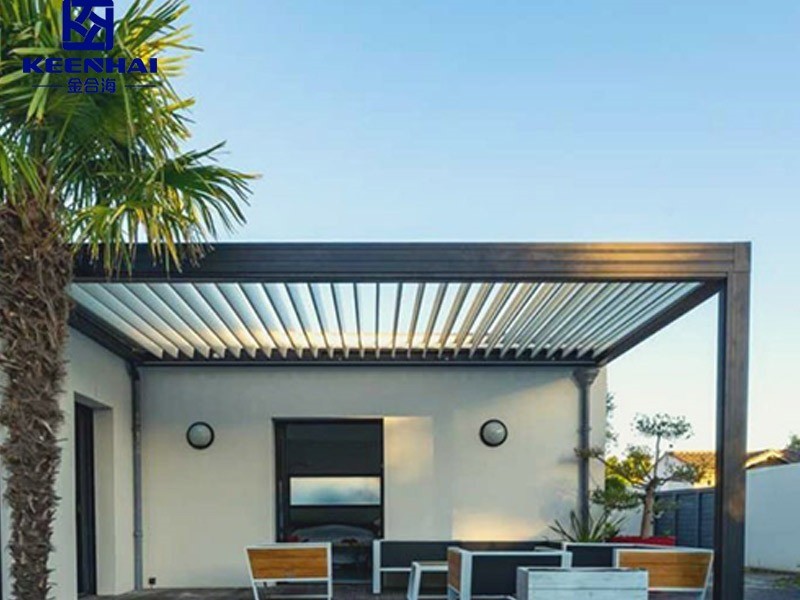
4. Design, Aesthetics, and Customization
Choosing a pergola isn’t just about durability—it’s also about how it looks and fits your space. Aluminum and wooden pergolas offer different styles, modular options, and accessory possibilities that can drastically affect your backyard’s ambiance.
4.1 Style Options and Finish Choices
Aluminum pergolas come in sleek, modern designs with a variety of finishes, including powder-coated colors, metallic textures, and even high-end Aluminum 4x6 pergola options. You can match contemporary patios or minimalist gardens effortlessly. Wooden pergolas, meanwhile, offer classic warmth with natural grains and stain options, giving a cozy, rustic feel.
If you want a backyard that’s low-maintenance and modern, aluminum is easier to customize without worrying about fading or warping. Wood requires careful staining or painting to maintain color over time.
4.2 Size Flexibility and Modular Designs
Aluminum pergolas are typically modular, meaning you can easily expand or adjust them to fit your space. From a 4x6 standard setup to compact Aluminum pergola 3x4 for smaller patios, the modularity allows homeowners to scale the structure or add panels without rebuilding. Wooden pergolas are generally less flexible, and resizing often involves cutting and reconstructing beams, which is labor-intensive.
Scenario: A medium-sized backyard could start with a 4x6 aluminum pergola and later add a side extension or retractable panels to create a larger entertaining area, all without major construction work.
4.3 Accessories and Functional Features (Louvered Roofs, Lighting)
Aluminum pergolas often come with integrated accessories like motorized louvered roofs, built-in LED lighting, and even retractable side screens. These functional features enhance usability during sun, rain, or evening gatherings. Wooden pergolas can support some accessories too, but adding high-tech components may require extra reinforcement and careful installation to avoid structural stress.
Example: Installing a louvered aluminum roof lets you adjust sunlight exposure in seconds, which is nearly impossible with a fixed wooden beam design. For evenings, built-in LED strips provide soft lighting without the need for extra electrical work.
Aluminum pergolas offer modern styling, flexible sizes, and advanced functional features that make them highly adaptable for a variety of outdoor spaces. Wood still has appeal for traditional aesthetics, but it’s less versatile when it comes to modularity and integrated accessories.
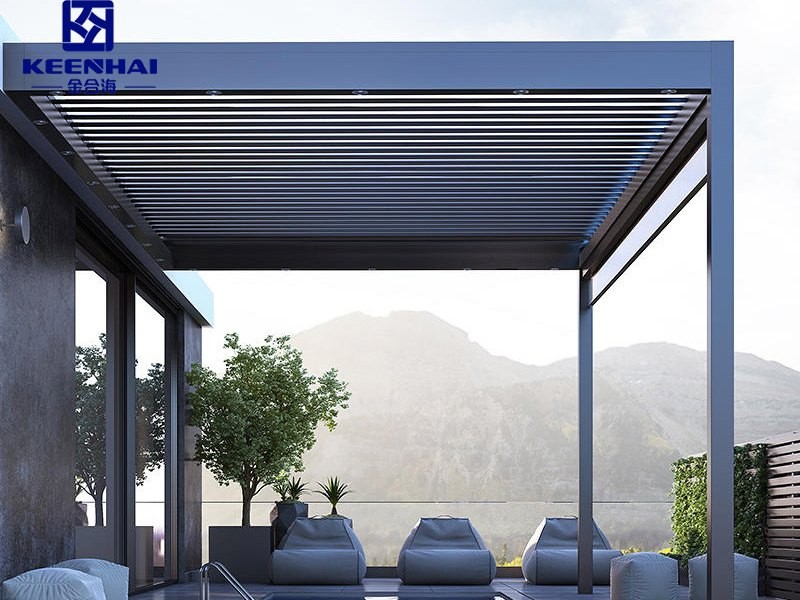
5. Performance in Different Environments
Your pergola’s performance largely depends on where it’s installed. Aluminum and wooden pergolas respond differently to humidity, temperature extremes, and backyard layouts, so choosing the right material ensures long-term durability and comfort.
5.1 Coastal and Humid Regions
Aluminum pergolas naturally resist corrosion, rust, and moisture damage, making them ideal for coastal homes or areas with high humidity. A high-quality Aluminum 4x6 pergola withstands salty sea air without warping, while wood, even cedar or redwood, will eventually absorb moisture, warp, or require frequent sealing.
Scenario: A beachside patio with an aluminum pergola stays straight and visually pristine for decades, while nearby wooden structures may show peeling stain, soft spots, and mold growth within 5–7 years.
5.2 Extreme Heat or Cold Conditions
Aluminum is stable under temperature fluctuations. It won’t crack in freezing winters or expand excessively under summer heat, keeping its shape and roof alignment consistent. Wooden pergolas, however, expand, contract, and may split with extreme temperatures, leading to gaps or sagging beams over time.
For areas with hot summers or icy winters, aluminum offers a predictable and low-maintenance solution, while wood may require seasonal inspections and adjustments to prevent damage.
5.3 Backyard and Patio Fit
Size and layout flexibility also impact performance. Aluminum pergolas can be custom-fitted to patios, decks, or uneven backyards, and modular panels allow for later expansion. Wooden pergolas are heavier and less flexible, which can complicate installation on sloped or compact spaces.
Example: A suburban backyard with a slightly uneven slope can easily accommodate a modular aluminum pergola, ensuring a level roof and stable posts, whereas a wooden pergola may need cutting, extra footings, or shims to achieve the same fit.
Aluminum pergolas excel in challenging environments—coastal areas, extreme climates, and irregular backyards—offering long-lasting performance with minimal intervention. Wood can still work, but it comes with higher maintenance and risk in harsh conditions.When weighing an Aluminum 4x6 pergola against a wooden pergola, the choice boils down to durability, maintenance, and long-term value. Aluminum offers rust-free, lightweight, and weather-resistant construction with minimal upkeep, while wood brings warmth and traditional aesthetics but demands regular care. For homeowners who want a hassle-free, long-lasting backyard structure, aluminum usually wins, delivering predictable performance, flexible designs, and functional features that stand the test of time.